
A Tool in the PTSD Treatment Toolbox
Explore how Stellate Ganglion Block (SGB) may complement therapy and other evidence-based approaches for PTSD.
Join our professional network to receive invitations to educational events, case discussions, research updates, and opportunities to collaborate with other healthcare professionals focused on improving PTSD outcomes.
For licensed healthcare professionals, therapists, mental health providers, first responder support organizations, and others involved in PTSD care.
HOW IT WORKS
What Is SGB?
A Stellate Ganglion Block is a minimally invasive procedure that targets the stellate ganglion, a collection of nerves within the sympathetic nervous system. Mental health professionals across the country are increasingly exploring SGB as a potential adjunctive treatment for PTSD. Here’s a simplified overview of how the procedure works.
1. The Overactive Alarm System
PTSD is associated with dysregulation of the sympathetic nervous system, which may contribute to persistent hyperarousal, heightened vigilance, anxiety, and sleep disturbances.
2. The Stellate Ganglion Block
SGB is a minimally invasive procedure that targets the stellate ganglion, a collection of sympathetic nerves in the neck. Research suggests it may help reduce excessive sympathetic nervous system activity in certain patients.
3. Supporting Recovery
While SGB is not intended to replace therapy or other evidence-based treatments, some providers have found it may help patients become more receptive to ongoing therapeutic interventions and recovery efforts.
3. Part of a Comprehensive Treatment Plan
SGB is best viewed as one potential tool within a multidisciplinary approach that may include therapy, medication management, peer support, lifestyle interventions, and other evidence-based treatments.
WHO'S BEHIND THIS
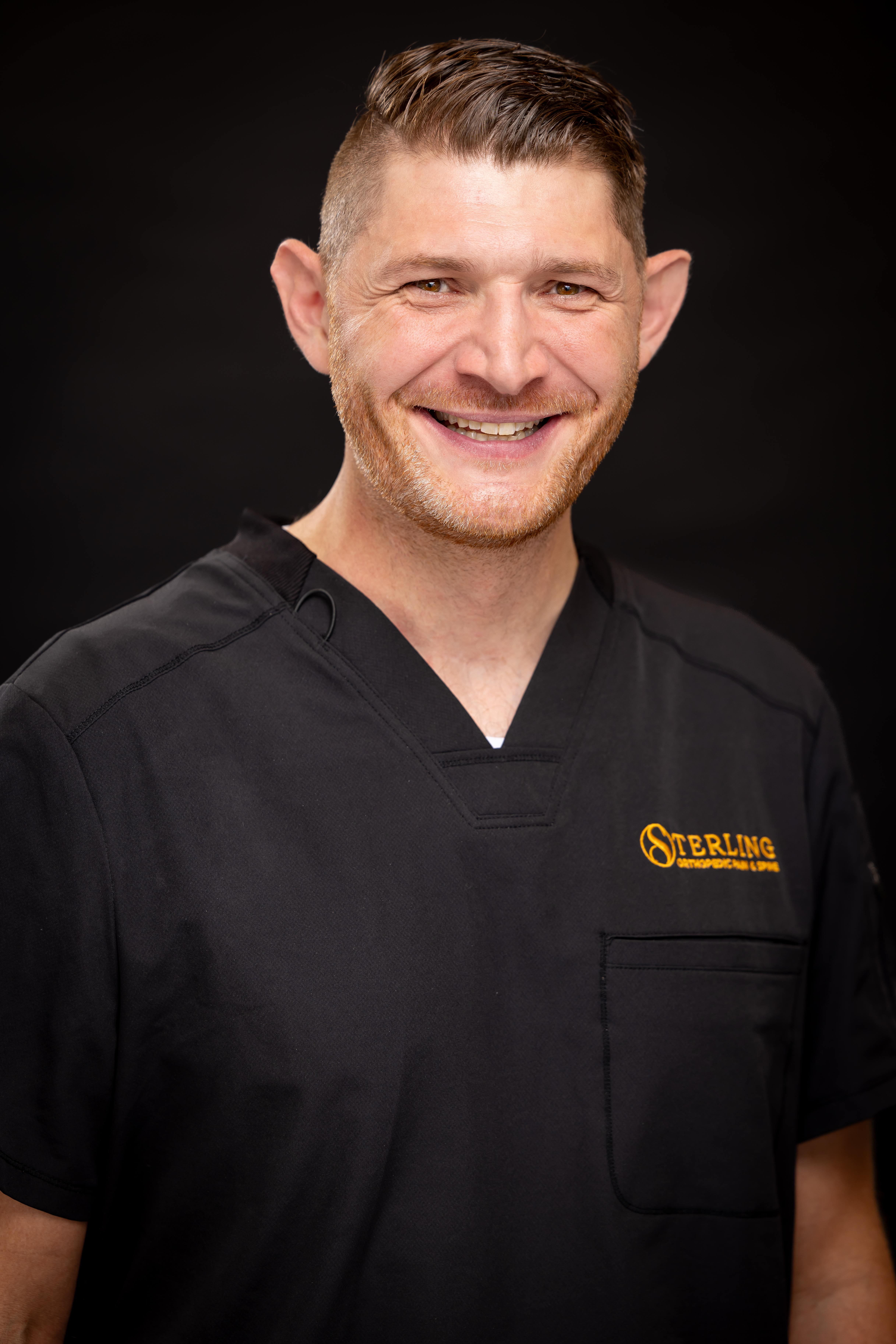
A pain & spine specialist who believes the nervous system deserves a seat at the table.
Dr. Gregory Condie is dual board-certified in Physical Medicine & Rehabilitation and in Pain Medicine, and certified in opioid addiction therapy. At Sterling Orthopedic Pain & Spine in Murray, Utah, his focus is non-surgical, minimally invasive care — including stellate ganglion block, offered as part of an individualized, physician-directed plan.
He's also a firm believer that the best outcomes happen in collaboration. These training events grew out of conversations with the therapists and clinicians already doing this work — and a shared interest in doing right by the patients in the middle.
Better Outcomes Through Collaboration
The Collaborative Care Model
At Sterling Orthopedic Pain and Spine, we believe PTSD care works best when providers work together. We view SGB as one potential tool within a larger treatment framework, not a standalone solution. Our goal is to collaborate with professionals who are passionate about helping patients achieve meaningful recovery through comprehensive care.

Why Healthcare Professionals Are Paying Attention
A Growing Area of Interest in PTSD Care
Over the past decade, SGB has gained attention among:
Psychologists
Licensed therapists
Psychiatrists
Physicians
Veteran care organizations
First responder wellness programs
Military healthcare systems
Healthcare professionals are increasingly exploring whether reducing physiological symptoms may help certain patients become more receptive to other therapeutic interventions.
While ongoing research continues to evolve, many providers see value in understanding where SGB may fit within a broader multidisciplinary treatment strategy.
FOR PROFESSIONALS
Questions You Might Be Asking
Is SGB intended to replace therapy?
No. SGB is generally viewed as a potential adjunctive treatment that may complement therapy and other evidence-based approaches.
How does SGB fit into a comprehensive PTSD treatment plan?
Many providers view SGB as one potential component of a multidisciplinary approach that may include therapy, psychiatric care, peer support, and lifestyle interventions.
Which patients may be appropriate candidates?
Patient eligibility varies. SGB should be evaluated within the context of each individual’s medical history, symptoms, and overall treatment plan.
Do I need to refer patients to attend educational events?
No. These events are intended to provide information and foster discussion among professionals interested in PTSD treatment and collaborative care.
Who should join the professional network?
Mental health professionals, therapists, physicians, advanced practice providers, veteran support organizations, first responder wellness programs, and others involved in PTSD care.
JOIN THE LIST
Stay Connected With Upcoming Educational Events
Sterling Orthopedic Pain and Spine regularly hosts educational opportunities for professionals interested in PTSD treatment innovation and collaborative care.
Current SGB research and developments
Case studies and patient experiences
PTSD treatment collaboration strategies
Integration of SGB alongside therapy
Veteran and first responder treatment approaches
Multidisciplinary care discussions
Contact
[email protected]
(801) 224-8800
© 2026 Sterling Orthopedic Pain and Spine. All rights reserved.