
Stellate Ganglion Block (SGB) for Trauma‑Related Symptoms in Murray, UT
Calm Your “Fight or Flight” Response – Learn Whether SGB Could Help You
If you’re still living with trauma‑related symptoms after therapy, medications, or other care, our dual board‑certified pain specialist offers a consultation to see whether a Stellate Ganglion Block (SGB) may be appropriate as part of your treatment plan.
No-pressure visit focused on education and safety. We’ll review your history, current treatments, and next best step. Insurance and costs are discussed before any procedure.
What Is a Stellate Ganglion Block?
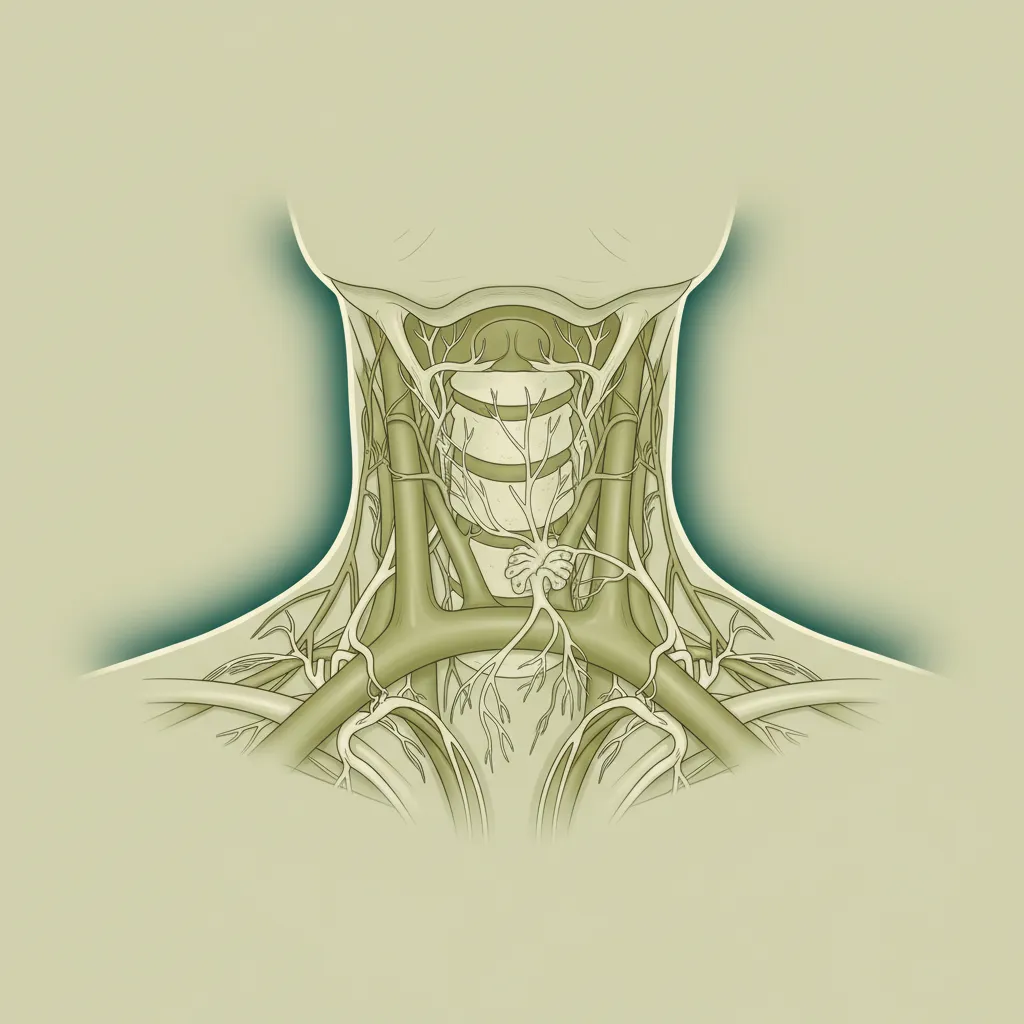
Calming the Nervous System
A stellate ganglion block is a minimally-invasive injection of local anesthetic around a small bundle of nerves in the lower neck that helps control the body’s “fight or flight” response. By temporarily calming this area, some patients notice changes in:
- Constant feeling “on edge” or hyper‑alert
- Sleep disruption related to trauma reminders
- Physical anxiety symptoms tied to trauma
A Supportive Component
Research suggests SGB may help reduce certain PTSD‑related symptoms in some people, but results vary and it is not a cure or a guaranteed treatment. It is usually considered after standard therapies have been tried.

This Consultation May Be a Fit If You:
Have trauma-related symptoms (from combat, accidents, assault, or other events)
Have already tried evidence-based treatments like trauma-focused therapy and/or medications
Still feel stuck with physical "fight or flight" symptoms despite doing the work
Value a careful, step-by-step plan and honest conversation about benefits and alternatives
If you are in crisis or needing emergency psychiatric care, SGB is not appropriate.
Please call 988 or go to the nearest emergency room.
WHAT TO EXPECT
What Happens At Your SGB Consultation
History & goals
We review your symptoms, relevant history, prior treatments, and what you’re hoping to change.
Medical review & safety screen
We review medications, medical conditions, imaging (if available), and make sure SGB is medically appropriate for your situation.
Education & options
We explain how SGB works, what the evidence shows (and doesn’t), likely duration of effect if it helps, and how it fits with your current care.
Shared decision
Together, we decide whether to proceed, wait, or skip SGB. You’ll leave with a clear plan either way.
If you proceed
If SGB is a good fit and you choose to move forward, the procedure is performed under image guidance in our clinic. The injection itself is brief (typically lasting around 10-15 minutes), and patients go home the same day with follow-up instructions.
RADICAL TRANSPARENCY
Honest Talk About Results and Risk
Results Can Vary
SGB may help reduce trauma-related symptoms for some patients, but everyone responds differently. Some people notice meaningful relief, while others experience only mild improvement or no change at all.
Relief Timeline
When SGB is helpful, results may last for weeks or months. Because PTSD is complex, SGB is best viewed as one part of a broader care plan, rather than a permanent cure or stand-alone solution.
Reviewed Risks
As with any procedure, there are risks. SGB is a commonly performed injection, but temporary side effects may include voice changes, swallowing difficulty, or rare complications. We review these in detail before proceeding.
No-Pressure Promise
We will never promise a cure or push you into a procedure. Our role is to help you understand your options clearly, answer your questions honestly, and choose the path that feels right for you.
Common Questions About SGB
Navigating your treatment options can be overwhelming. We've compiled answers to the most common questions so you can feel informed and confident about your next steps.
Will SGB cure my PTSD?
There is currently no proven cure for PTSD, but PTSD is highly treatable, and many people experience meaningful improvement with the right care. Stellate Ganglion Block (SGB) is not a cure, but it may help reduce PTSD symptoms by calming an overactive fight-or-flight response. Some patients notice relief quickly, including improvements in anxiety, sleep, hypervigilance, and other physical or emotional symptoms. SGB is often used as part of a broader treatment plan, which may include therapy, medication, and ongoing mental health support.
Does insurance cover it?
Coverage varies by plan and indication. Our team can help check your benefits and give you a clear estimate of any out-of-pocket costs before you decide.
How long do results last if it helps?
Every patient responds differently, but when SGB helps, many people report noticeable relief quickly, sometimes within hours or days. The duration of relief can vary, with some patients experiencing improvement for weeks or months. If symptoms return, some patients may benefit from additional treatment. SGB is not considered a cure for PTSD, but it may be a powerful tool for reducing symptoms and supporting deeper healing alongside therapy, medication, or other ongoing care.
Will the procedure hurt?
Most patients find SGB much easier than they expected. Your provider will numb the area first, which may feel like a quick pinch or mild sting. After that, you may feel pressure during the injection, but the procedure itself is typically quick (only lasting about 10-15 minutes). Mild soreness or bruising afterward is possible, but it usually resolves on its own. Your care team will walk you through each step and make sure you’re comfortable before, during, and after treatment.

Take the next step
Request Your SGB Consultation in Murray, UT
Fill out the form below and our team will contact you to review a few screening questions and schedule a visit with Dr. Condie.
This visit is educational and evaluative. No procedure is done unless, after reviewing risks and options, you and the doctor both agree it is appropriate.
84 W. 4800 S. Suite 101, Murray Utah 84107
© 2026 Sterling Orthopedic Pain and Spine. All rights reserved.